
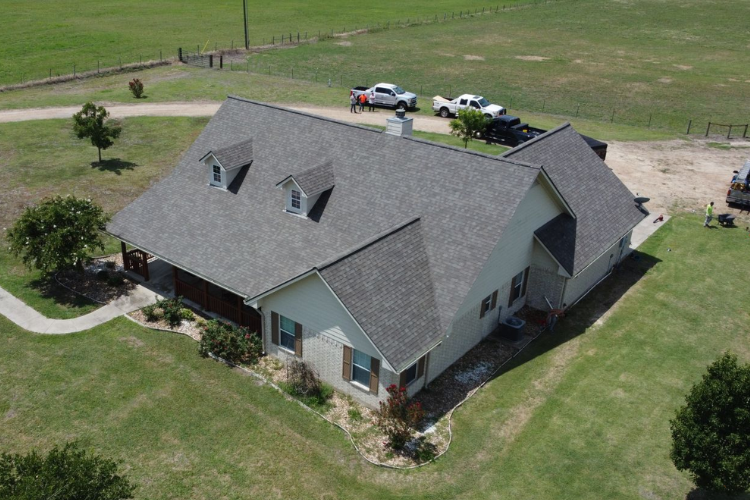
Your roof is one of the most important structural systems in your home, yet it is also one of the most commonly neglected. Most homeowners only think about their roof when a leak appears or shingles begin falling into the yard. By that point, the damage is often more advanced and far more expensive to correct.
A professional roof inspection is designed to identify small, developing problems before they become structural failures. The real question is not whether you should schedule an inspection, but how often you should be doing it.
This guide explains the recommended inspection schedule, the situations that require additional inspections, and how routine evaluations protect both your home and your long-term investment.
Why regular roof inspections matter
Your roofing system is constantly exposed to stress from:
- heat and ultraviolet radiation
- wind uplift and pressure changes
- heavy rainfall and humidity
- debris, tree limbs, and foot traffic
Over time, these conditions cause materials to expand, contract, crack, loosen, and deteriorate. Many of the most serious roofing problems develop slowly and remain hidden beneath the surface.
According to guidance from the National Roofing Contractors Association, regular professional inspections are one of the most effective ways to extend the life of a roof and reduce long-term repair costs.
An inspection is not just about spotting missing shingles. It evaluates the entire roofing system, including components that most homeowners never see.
The general rule: at least once per year
For most residential properties, a professional roof inspection should be scheduled once every year.
An annual inspection allows a roofing professional to monitor:
- surface material wear
- flashing and seal integrity
- fastener and attachment conditions
- ventilation and moisture movement
- early signs of deck or structural stress
Even when a roof appears visually fine from the ground, deterioration often begins around penetrations, transitions, and concealed flashing areas.
An annual inspection creates a documented condition record, which helps identify gradual changes that may otherwise go unnoticed.
Why two inspections per year is often better
In many regions, especially in warmer and storm-prone climates, one inspection per year is often not sufficient.
A more protective schedule is:
- one inspection in the spring, and
- one inspection in the fall
This schedule allows your roofer to evaluate damage that may have occurred during severe weather seasons and to prepare the roof for upcoming temperature extremes.
A spring inspection focuses on identifying:
- wind-related shingle displacement
- storm debris impact
- water intrusion from seasonal rainfall
A fall inspection helps address:
- heat-related material fatigue
- sealant shrinkage and cracking
- ventilation performance before cooler months
This twice-yearly approach significantly reduces the likelihood of surprise leaks and emergency repairs.
Always schedule an inspection after a major storm
In addition to routine inspections, you should schedule a professional roof inspection after any significant weather event.
This includes:
- hailstorms
- high-wind events
- tropical systems or severe thunderstorms
- heavy debris impact
Not all storm damage is immediately visible. Hail damage, in particular, may not create instant leaks but can compromise the protective granules and underlying mat of shingles. Wind can lift and loosen fasteners without tearing the material completely free.
The Insurance Institute for Business & Home Safety emphasizes that undetected storm damage is one of the leading contributors to premature roof failure and interior water damage.
A post-storm inspection allows you to:
- document damage while it is still fresh
- protect your eligibility for insurance claims
- prevent delayed leaks that may appear months later
If your roof is more than 10 years old
As a roof ages, the inspection schedule becomes more important.
Once a roofing system reaches 10 years of service life, inspections should be performed at least once per year and preferably twice per year.
Older roofing systems experience:
- brittle and cracking materials
- weakened adhesive bonds
- shrinking sealants around penetrations
- increased vulnerability to uplift and water entry
At this stage, inspections focus less on identifying isolated damage and more on evaluating whether the system is approaching the end of its functional life.
Proactive inspections help homeowners plan for replacement instead of being forced into emergency projects.
If your home has experienced interior moisture or leaks
If you notice any of the following, an inspection should be scheduled immediately:
- ceiling staining
- bubbling or peeling paint
- musty odors in the attic or upper floors
- visible mold near roof lines or vents
Interior symptoms often indicate that water has already passed through multiple roofing layers.
In these cases, the goal of the inspection is not simply to locate a surface defect, but to identify the full moisture pathway through:
- roofing materials
- underlayment
- decking
- insulation and ventilation systems
The sooner this is addressed, the less likely structural repairs will be required.
What a professional roof inspection actually includes
A proper roof inspection goes well beyond a brief visual check.
A professional evaluation typically includes:
- examination of shingles, tiles, or metal panels
- inspection of flashing around chimneys, skylights, walls, and valleys
- review of ridge systems and edge terminations
- assessment of sealants and penetrations
- attic and ventilation inspection
- moisture and deck condition evaluation
Many roofing failures originate in transition areas rather than on open roof fields. This is why trained inspection procedures are critical.
How inspections protect your insurance and resale value
Routine roof inspections also serve an important administrative and financial purpose.
Documented inspections:
- establish maintenance history
- demonstrate responsible ownership
- support insurance claim documentation
- reduce disputes over pre-existing damage
If you ever file a storm-related claim, inspection records can help demonstrate the condition of the roof before and after a weather event.
For homeowners planning to sell in the future, a well-maintained and documented roofing system also strengthens buyer confidence and reduces last-minute negotiations during the inspection phase.
Why inspections are especially important in Texas-style climates
In hot and humid regions, roofing systems are subjected to extreme thermal cycling. Materials expand during high daytime temperatures and contract rapidly after sunset and storms.
Over time, this repeated movement contributes to:
- fastener back-out
- sealant separation
- flashing fatigue
- premature granule loss
In addition, severe storm patterns create a higher probability of hidden damage that may not be immediately visible from the ground.
For this reason, many roofing professionals recommend semi-annual inspections as a standard practice for homeowners in storm-exposed regions.
A simple inspection schedule to follow
For most homeowners, the following schedule provides strong protection:
- once per year for newer roofs in mild exposure areas
- twice per year for homes in storm-prone or high-heat climates
- after every major storm event
- immediately after any interior leak or moisture symptom
- at least annually once the roof reaches 10 years of age
This approach minimizes surprise repairs and maximizes the usable life of the roof.
The bottom line
So, how often should you get a roof inspection?
At a minimum, your roof should be professionally inspected once every year. In climates with intense heat, frequent storms, or high wind exposure, twice per year is a far safer and more cost-effective standard.
Roof inspections are not an unnecessary expense. They are a preventative maintenance tool that helps:
- reduce long-term repair costs
- extend the life of your roofing system
- protect your home’s structure and interior
- preserve insurance and resale value
In short, regular inspections turn your roof from a reactive liability into a well-managed asset.